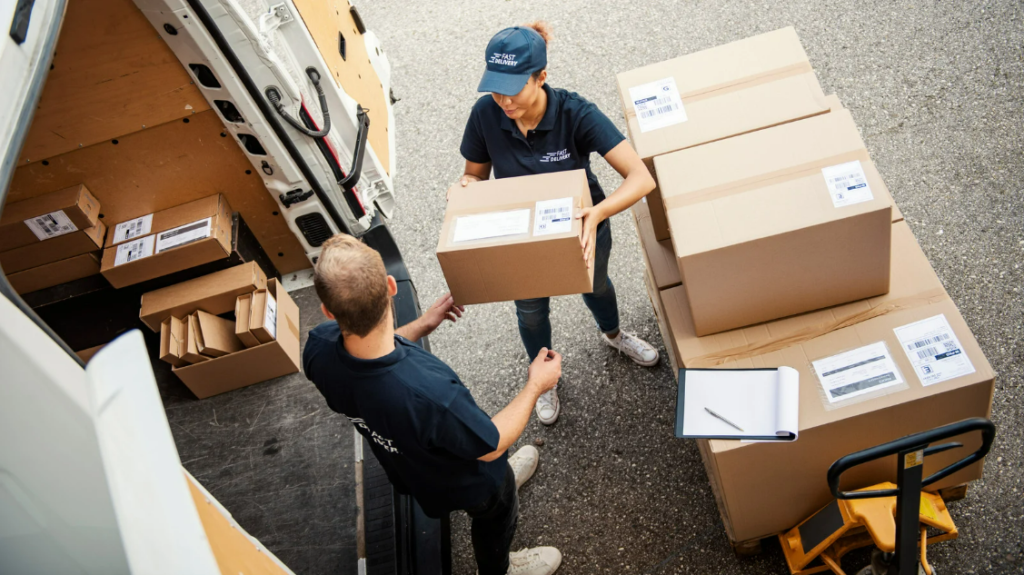
Last mile delivery plays a critical role in ensuring customer satisfaction. However, in Singapore, a densely populated city with unique urban challenges, last mile delivery can be complex and costly. Businesses face a variety of obstacles, from traffic congestion to high operational costs, that can hinder their ability to deliver efficiently.
This article highlights the key challenges facing last mile delivery services in Singapore and offers practical solutions to overcome them.
1. Traffic Congestion
One of the most significant challenges for last mile delivery in Singapore is traffic congestion. The city’s high population density and busy roads make it difficult for delivery vehicles to navigate efficiently, leading to delays and increased fuel consumption. During peak hours, traffic jams can significantly disrupt delivery schedules.
Solution:
To combat this issue, many companies are adopting smart route optimization tools. These systems use real-time data to map out the fastest and most efficient delivery routes, helping drivers avoid congested areas.
2. High Delivery Costs
In Singapore, the high cost of labor, fuel, and logistics infrastructure can make last mile delivery expensive for businesses. Small and medium-sized enterprises (SMEs) are particularly affected, as they may struggle to absorb these costs.
Solution:
Crowdsourced delivery models can help businesses reduce costs by leveraging a network of independent drivers or cyclists to fulfill deliveries. This flexible workforce allows companies to scale operations without the overhead of maintaining a full-time fleet.
3. Failed Deliveries
Failed deliveries occur when customers are not available to receive their packages, leading to additional delivery attempts and increased operational costs. In Singapore, where many residents live in high-rise apartments, access to buildings can also be an issue.
Solution:
Providing customers with flexible delivery options, such as time-slot deliveries or the ability to reschedule, can help reduce the occurrence of failed deliveries. Parcel lockers and pick-up points are also effective solutions, allowing customers to collect their packages at a convenient time.
4. Customer Expectations
With the rise of e-commerce, customers have come to expect fast, reliable, and often free delivery. In Singapore, where competition among businesses is fierce, meeting these high expectations while keeping costs in check is a major challenge for last mile delivery services.
Solution:
To meet customer expectations without compromising on cost, businesses can focus on improving their delivery efficiency through technology. Real-time tracking and communication tools keep customers informed about their delivery status.
5. Sustainability Concerns
Sustainability is an increasingly important consideration for both businesses and consumers in Singapore. Traditional delivery methods that rely on fossil fuels contribute to carbon emissions, and the packaging waste generated by deliveries can be harmful to the environment.
Solution:
Adopting green logistics practices is essential for addressing sustainability concerns. Companies can reduce their carbon footprint by incorporating electric vehicles into their fleets, optimizing delivery routes to minimize fuel consumption, and using sustainable packaging materials.
Conclusion
By adopting technology-driven solutions and embracing innovative delivery models, businesses can overcome these obstacles and improve both efficiency and customer satisfaction. As the demand for fast, reliable, and sustainable delivery services continues to grow, companies that proactively address these challenges will be better positioned to thrive in Singapore’s competitive market.
